
Boating Mnemonics That Actually Work
Tale From The Locker by Cynthia Lamb
(adapted for the web)
Boating Mnemonics
When you first start boating, it can feel like someone handed you an entirely new language and expected fluency by Saturday. Rules, buoys, lights, weather signs, angles, currents — it’s a lot.
Like most boaters, I rely on mnemonics — simple memory shortcuts that stick when your brain is already busy navigating, scanning the water, and keeping everyone comfortable.
Old Tricks That Still Work
Mnemonics have been saving my brain for years and years. Despite not touching a piano in decades, I’ll never forget the treble clef lines from “Every Good Boy Deserves Fudge”.

That got me thinking: what boating mnemonics actually stick with me out on the water? Turns out… quite a few.
Some of these are classics. Some I’ve picked up locally. And a few… I may have invented out of sheer necessity.
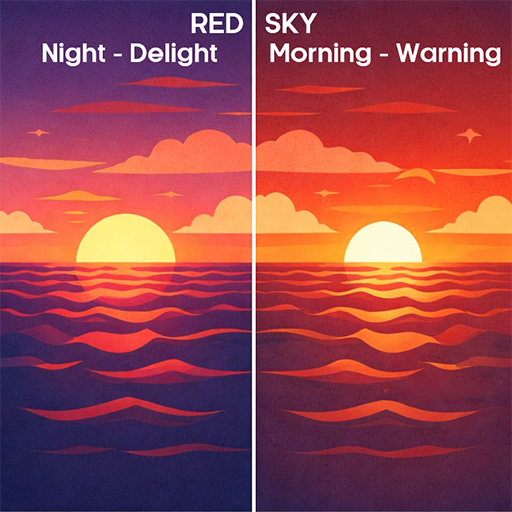
“Red Sky at Night, Sailors Delight"
"Red Sky in the Morning, Sailors take Warning"
It’s an old mariner rhyme with a real scientific explanation: a red sunset often means improving weather, while a red sunrise can mean rough weather already moving in.
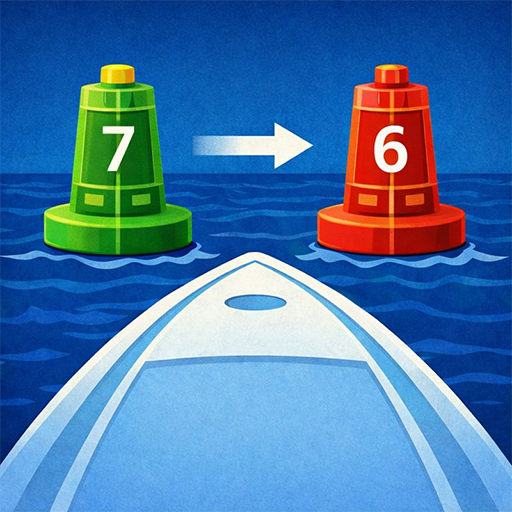
“Red, Right, Returning”
When returning from sea or proceeding upstream, keep the red navigation aids on your right (starboard) side. Simple. Reliable. Essential.
And if you ever mix up port and starboard: “left” and “port” both have four letters — plus the port light is red (like red wine). Whatever works, right?
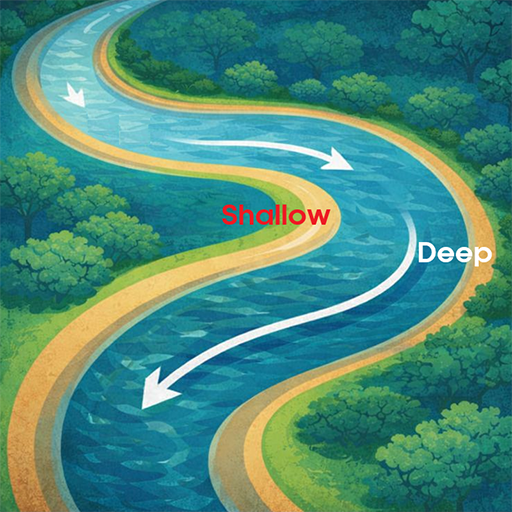
“The Bend Is Your Friend”
This one is gold for avoiding groundings. In a meandering river or creek, water flows fastest along the outside of the bend and slowest on the inside. Fast water scours the bottom — so the outer bend is usually the deepest water.
In straight channels, the deepest water is often toward the middle — but in curves, follow the bend.
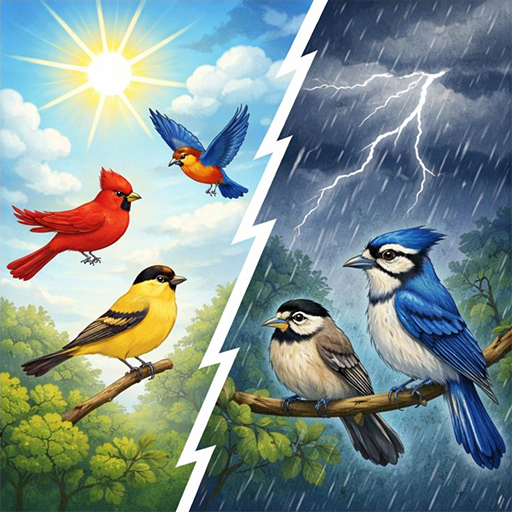
“If Birds Soar, Boat Some More”
Birds can be surprisingly useful for reading weather. Birds often face into the wind, so they can help you judge wind direction. And if you’re at the beach and seagulls suddenly fly inland… that’s not usually a great sign.
In general: high-flying birds suggest fair weather, while low-flying birds can mean rain. The theory is that birds feel pressure changes and don’t like flying high when pressure drops.
“45 Degrees Is a Breeze”
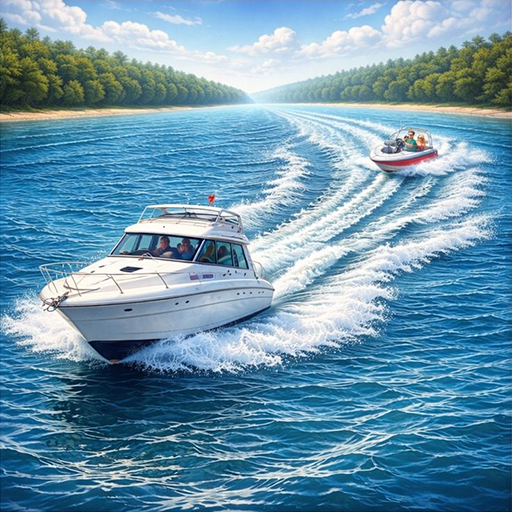
To safely cross another boat’s wake, slow down and approach the wake at about a 45-degree angle. It’s safer and makes the ride much more comfortable for your passengers.
“If You Tack, It Will Save Your Back”
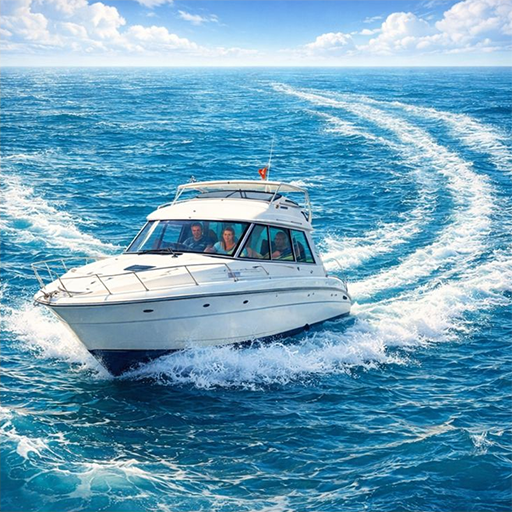
The 45-degree idea isn’t just for wakes — it can help in head seas too. A straight line may be the shortest distance, but it’s not always the most comfortable.
In rough conditions, take the seas at a 45-degree angle: first to one side, then the other. Equal time on each tack maintains the same average heading. I thought tacking was only for sailboats until boat handling class. Brilliant.
“GRN — Green, Right, North”
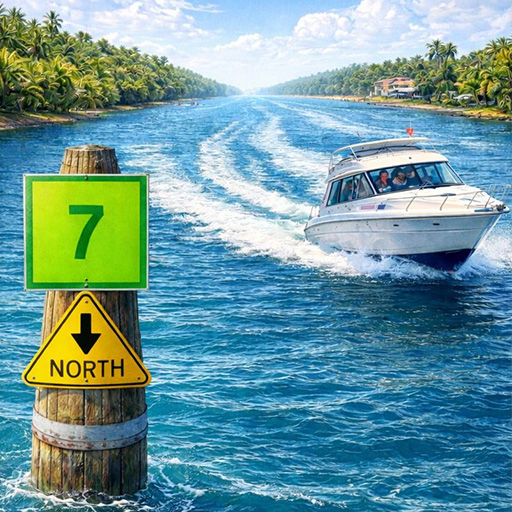
My husband and I spend a lot of time going in and out of the intracoastal waterway (ICW). Everyone knows “red, right, returning,” but the ICW conventions can make things feel backwards in places.
When you’re going north on the ICW here, remember GRN — Green, Right, North) — and keep those green markers on your right.
“Bow Down or I’ll Frown”
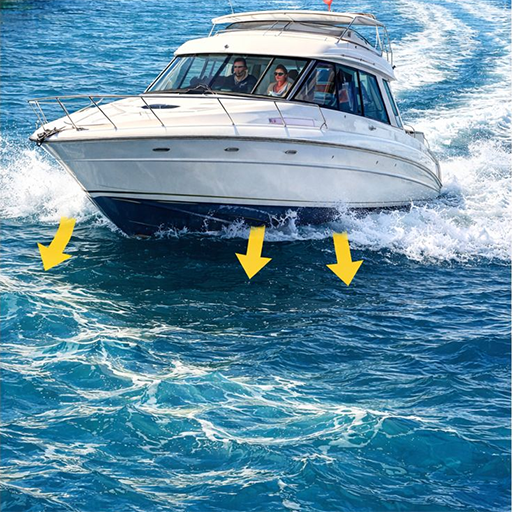
If you get into chop and your ride is getting uncomfortable, use the trim tabs to bring the bow down. It helps cut the chop and makes for a smoother ride.
Do this and your passengers will thank you. Immediately.
Mnemonics don’t just help you remember...
They help you react!
Whether it’s reading the sky, the channel, or the water ahead, these time-tested mnemonic cues keep decisions fast, confident, and safer when it matters most.
Stay safe and have fun out there.